Maintenance
How Freeze-Thaw Damages Your Asphalt Driveway (And How to Stop It)
May 22, 2026 · Owner
If you've ever wondered why driveways in Westchester County crack faster than driveways in, say, North Carolina — the answer is freeze-thaw.
In the Hudson Valley, we move through 40 to 60 freeze-thaw cycles every winter. Each one is a small, repeated assault on your pavement.
What freeze-thaw actually does
Asphalt is porous. Even with a sealcoat, a small amount of moisture inevitably works its way into the surface and into any tiny cracks. When the temperature drops below 32°F, that water freezes. Frozen water expands by about 9% in volume.
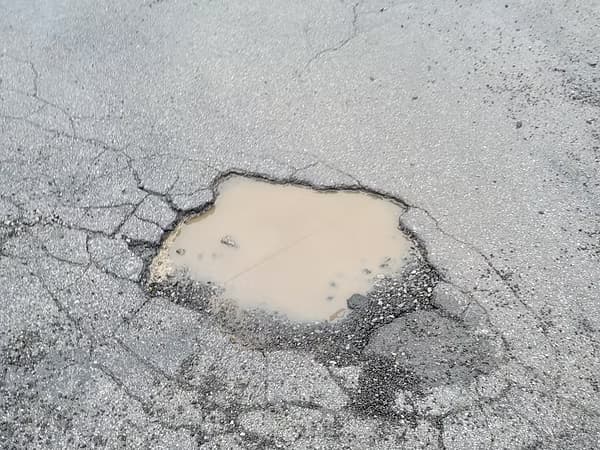
Now imagine a hairline crack with a few drops of water in it. The water freezes, expands, and pries the crack a little wider. Next afternoon the sun warms things up, the ice melts, more water seeps in. That night it freezes again — and the crack is now slightly wider than the night before.
Multiply by 50 cycles per winter. Multiply by 10 winters of neglect. That's how a hairline crack becomes a half-inch fissure.
Where freeze-thaw damage shows up first
- The edges of the driveway, especially where asphalt meets grass or concrete. Edges have no lateral support and crack first.
- Drainage low spots that hold water. Pooled water = more moisture = faster freeze damage.
- Areas under tree drip lines, which stay wetter than the rest of the surface.
- Shaded sections that thaw slowly during the day — those see longer time at freezing temps and more cycles per winter.
- Existing repairs that weren't sealed properly afterward.
The defense
A clean, intact sealcoat is the single biggest thing you can do. Sealcoating isn't just cosmetic — it's a moisture barrier. Asphalt that beads water doesn't let moisture into the cracks where freeze-thaw does its damage.
Fill cracks before winter. Any crack wider than ¼ inch should be routed and sealed before the first hard freeze. We do this work through October in most years.
Fix drainage. A driveway that doesn't drain in summer is a driveway that holds standing water in winter — water that freezes overnight. Regrading low spots is often a small line item on a maintenance visit and pays off for years.
Don't use rock salt directly on asphalt. Sodium chloride accelerates oxidation. Use calcium chloride or sand for traction instead.
When to inspect
Walk your driveway in early March, as soon as the snow's gone. That's when the previous winter's freeze-thaw damage is most visible. Any new cracks, widened existing cracks, or low spots that pool water? Get those addressed before summer.
A 5-minute walk in March can be the difference between a $300 maintenance visit in April and a $5,000 resurface in October.
If you're staring at a driveway that took a beating this winter, we can come out and assess — typically same-week. Call 914-539-2981 or send us photos. Honest assessment, no high-pressure quote.